
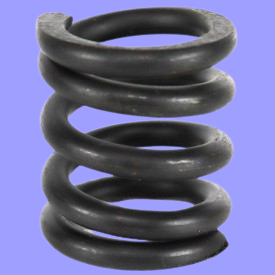
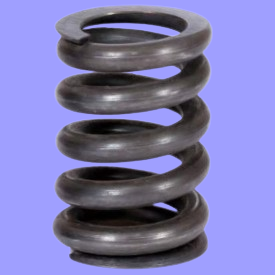
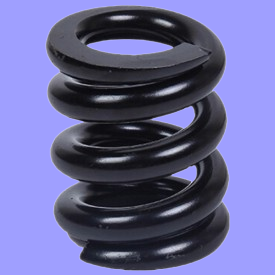
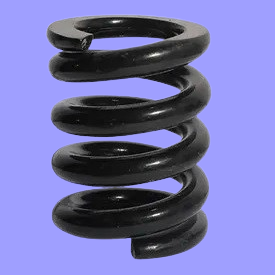
Piling Machine Compression Spring manufacturing capacity :
- Wire Dia. : upto 65 mm.
- Outer Dia. : upto 500 mm.
- Free Height : upto 1000 mm.
- Total Coils : As per user’s requirement.
- Load capacity : upto 40 Tons. (per pc.)
What is a Piling Machine Compression Spring :
Piling Machine Compression Spring is a vital components utilized within the operating mechanisms of piling machines. These Springs are specifically designed to absorb and store energy, enabling the piling machines to function efficiently during the driving of piles into the ground. Springs operate by exerting a force that counteracts external compressive loads, making them essential in applications that require the consolidation of work forces or tools.
Typically crafted from high-tensile materials such as stainless steel or oil-tempered steel, these Springs exhibit remarkable durability and elasticity. The choice of material is crucial, as it must withstand significant cycle fatigue while maintaining structural integrity under heavy loads. The design parameters of Piling Machine Compression Springs, such as wire diameter, coil diameter, and overall length, are meticulously calculated to ensure they meet specific loading conditions and operational requirements.
One key characteristic that sets Piling Machine Compression Springs apart from other Spring types, such as tension or torsion Springs, is their functionality under compressive loads. Springs are designed to operate in a manner that they become shorter when they are compressed and return to their original length when the load is removed. This unique function allows for efficient energy absorption and release during the critical piling process, significantly contributing to the machine’s performance.
Applications of Piling Machine Compression Spring :
Piling Machine Compression Spring plays an integral role in the construction and civil engineering sectors, particularly in the application of piling equipment. These Springs are essential components designed to absorb shock and provide the necessary force for driving piles into the ground. In essence, they contribute to the operational efficiency of piling machines, enabling them to function effectively in various environments.
One of the primary applications of Piling Machine Compression Spring in Piling machines is their ability to enhance stability during operation. When piles are driven into the substrate, the resistance encountered can lead to vibrations and instability. Springs are help to mitigate these effects by absorbing the shock forces generated. This stability is crucial for ensuring that the piling process is precise and that the longevity of both the equipment and the structures being built is maintained.
Additionally, Piling Machine Compression Spring allows for a smoother operational flow within Piling machinery. They facilitate the retraction and extension of Piling mechanisms, ensuring that the equipment can repeatedly drive piles without significant downtime for maintenance or repairs. This efficiency is crucial for large-scale construction projects, where time and budget constraints are often paramount.
The role of Piling Machine Compression Spring :
Piling Machine Compression Springs play a pivotal role in the operation of Piling machinery, contributing significantly to its efficiency and performance. These mechanical components are designed to resist compressive forces, thereby facilitating load distribution and enhancing the overall functionality of the equipment.
One of the primary functions of Piling Machine Compression Spring within piling machinery is load distribution. Piling machines are often subjected to varying degrees of stress during operation, especially when driving piles into the ground. Springs help distribute this stress across the machine, ensuring a balanced load and preventing potential damage to critical parts. This efficiency in load management prolongs the lifespan of the machinery and minimizes the risks associated with uneven wear.
Another essential function of Piling Machine Compression Spring is their ability to absorb shocks and vibrations. The driving process in piling operations can generate significant impacts, which, if not properly managed, could lead to equipment failure or instability. Springs act as shock absorbers, mitigating these forces and ensuring a smoother operation. By effectively absorbing shocks, they enhance operator safety and contribute to maintaining precision in the piling process.
Necessity of Piling Machine Compression Spring :
The use of Piling Machine Compression Spring in piling operations is crucial to ensuring the stability and efficiency of various construction projects. Springs are specifically designed to absorb and transfer loads effectively, providing essential support during the piling process. Without these Springs, there can be significant challenges that might jeopardize the integrity and reliability of the piling operation.
One of the primary roles of Piling Machine Compression Spring is to mitigate the impact forces encountered during the driving of piles. When piles are driven into the ground, they can experience jolts and vibrations that could lead to structural damage, both to the piling equipment and the surrounding environment. The absence of Springs can exacerbate these forces, resulting in not only potential failure of the machinery but also leading to safety hazards on site.
Moreover, neglecting to integrate Piling Machine Compression Spring in piling operations can manifest in irregular stress distribution throughout the pile structure. This phenomenon could weaken the structural integrity of both the piles themselves and the overall foundation being built. Compromised structural integrity not only increases the risk of failure during construction but can also lead to long-term issues with the building’s stability.